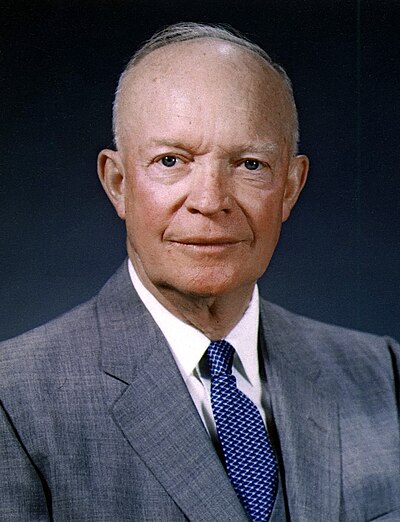
President Dwight D. Eisenhower — the 34th President of the United States, Supreme Allied Commander during World War II, and one of the most consequential political figures of the 20th century — underwent emergency surgery for ileitis in July 1956. Ileitis is now understood to be a manifestation of what we call Crohn's disease.
The surgery, which addressed a blockage in his small intestine, came at a critical political moment — it was an election year, and Eisenhower was preparing to seek re-election. The White House was characteristically cautious in its disclosures, but the surgery was widely reported.
Eisenhower's case is significant not just historically, but medically. It demonstrates that inflammatory bowel disease is not a modern phenomenon, and that it has affected people at every level of society and power throughout history.
His IBD did not prevent him from serving a full two-term presidency or from living to age 78. He continued to manage his health actively, setting an example — whether intentionally or not — that people with serious chronic illness can lead full, productive, and consequential lives.