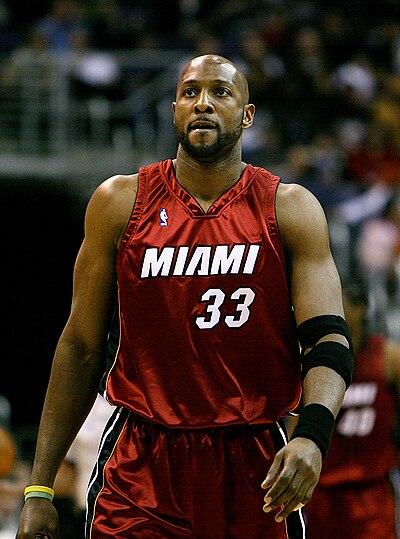
In 2000, NBA All-Star center Alonzo Mourning was diagnosed with focal segmental glomerulosclerosis (FSGS) — a disease in which scar tissue forms in the kidney's filtering units. The diagnosis came as a shock to a professional athlete at the height of his powers.
Mourning initially attempted to manage the disease and continue playing, but his kidney function continued to decline. In July 2003, he received a living-donor kidney transplant from his cousin Jason Cooper. Following the transplant, he initially retired from basketball.
But Mourning wasn't done. After careful rehabilitation and months of working with his medical team, he returned to the NBA in 2004 and signed with the Miami Heat. In 2006, he was part of the Heat team that won the NBA championship — one of the most improbable athletic comebacks in the history of professional sports.
His story is not just one of athletic achievement — it's a testament to the possibility of life after kidney transplantation. Mourning has been a prominent advocate for kidney health awareness, particularly in Black communities where FSGS disproportionately occurs.